
If your attic feels like an oven or your energy bills keep climbing, your roof might not be breathing the way it should. Adding roof ventilation is one of the best ways to protect your roofing system, lower energy costs, and avoid expensive repairs down the road. Without it, heat and moisture get trapped under your roof deck, and that trapped air slowly wears down materials from the inside out.
Roof ventilation moves air in and out of your attic space. Fresh air enters through intake vents, and warm, moist air exits through exhaust vents near the roof’s peak. For homeowners and business owners across New Jersey, understanding why this airflow matters is the first step toward a longer-lasting roof.
How Roof Ventilation Protects Your Home
A roof does more than block rain and sun. It also has to manage air and moisture. Without proper airflow, heat builds up under the roof deck during warm months. That heat doesn’t just make your attic uncomfortable. It can shorten the life of your shingles by baking them from underneath, which leads to premature cracking and granule loss.
In colder months, the problem shifts to moisture. Warm, humid air from inside your home rises into the attic. Without a way to escape, that moisture condenses on the underside of the roof deck. Over time, this can create the perfect environment for mold, wood rot, and ice dams along the roofline.
Adding roof ventilation gives that trapped air somewhere to go. It keeps your attic drier in winter and cooler in summer, which protects your roofing materials and can even help your home stay more energy efficient.
Signs You Might Need Better Ventilation
Poor airflow doesn’t always announce itself right away. It tends to show up gradually, through small issues that add up over time. A few common warning signs include:
- High energy bills: A hot attic forces your air conditioner to work harder during summer months.
- Ice dams in winter: Uneven roof temperatures cause snow to melt and refreeze at the edges, creating ice buildup that can damage shingles and gutters.
- Musty attic odors: This often points to trapped moisture and early mold growth.
- Curling or cracking shingles: Excess heat speeds up wear, especially on older roofs.
- Visible mold or dark staining on the roof deck: This usually signals that moisture has been building up for a while.
If any of these sound familiar, it may be time to look at your current roof ventilation setup and see where improvements make sense.
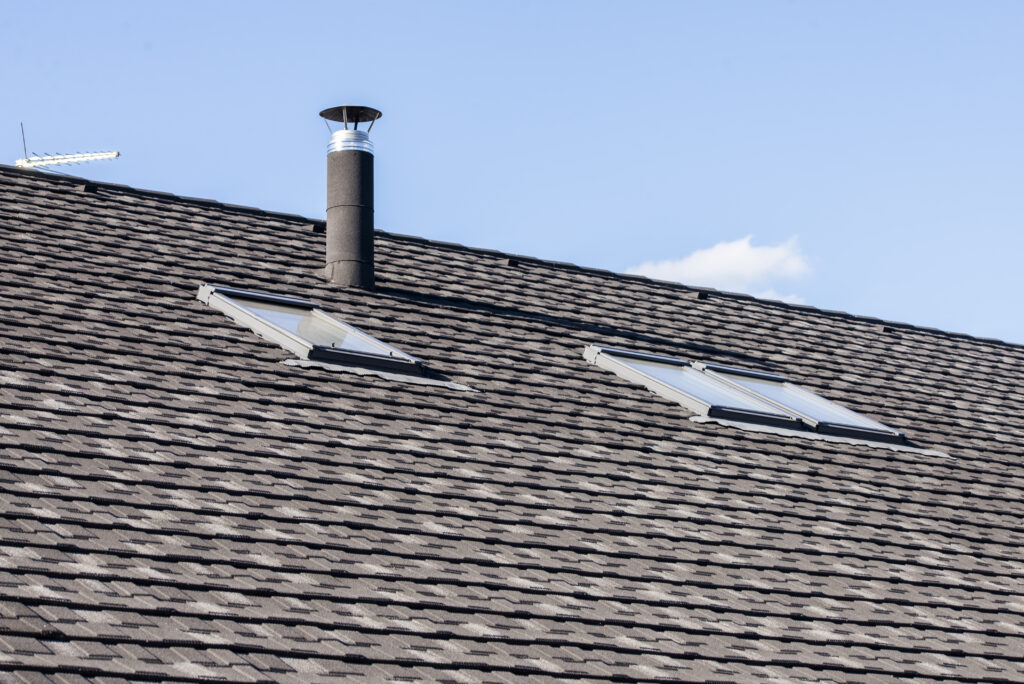
How Does Roof Ventilation Work?
A properly designed system uses two types of vents that work together to keep air moving continuously through the attic space.
Intake Vents
Intake vents are typically installed along the lower edge of the roof, near the soffits. They pull cooler outside air into the attic.
Exhaust Vents
Exhaust vents sit higher up, often along the ridge, and allow warm air to escape. Without enough intake, exhaust vents can’t do their job properly, and without enough exhaust, warm air has nowhere to go. Balance between the two is what makes a ventilation system effective.
What Types of Roof Ventilators Should You Consider?
The right roof ventilators depend on your roof’s shape, size, and current construction. A few common options include:
Ridge Vents
These run along the peak of the roof and blend in with the roofline, making them a popular choice for a clean, low-profile look.
Box Vents
Also called static vents, these are individual units placed across the roof surface. They work well on roofs where a ridge vent isn’t practical.
Powered Vents
These use a fan to actively pull air out of the attic. They can help in larger attics or homes with limited natural airflow, though they require electricity to run.
A roofing professional can look at your specific roof and recommend which type, or combination of types, will move air most efficiently.
Is Roof Ventilation Installation a DIY Job?
Roof ventilation installation involves more than cutting a hole and placing a vent. It requires the right balance of intake and exhaust, correct placement, and proper sealing to prevent leaks. Getting the ratio wrong can actually make ventilation problems worse instead of better.
This is one of those projects where professional experience makes a real difference. A contractor who understands your roof’s structure can calculate the right amount of ventilation for your square footage and install it in a way that protects the rest of your roofing system.
If you’re already planning other roofing work, this is also a good time to bring up ventilation. Our recent roof maintenance guide covers how attic airflow fits into a broader maintenance routine, and a roof inspection can help confirm whether your current ventilation is doing its job.
Improve Your Roof’s Airflow Today
At American Craftsmen Construction, we’ve spent nearly four decades helping homeowners and business owners across New Jersey protect their roofs from the inside out. Whether you’re dealing with a hot attic, ice dams, or signs of moisture buildup, our team can assess your roof and recommend the right ventilation solution for your property. We work on both residential roofing and commercial roofing systems, and we’re available 24/7 to help. Contact our team today to schedule a consultation and find out what proper roof ventilation can do for your home or business.

Adding Roof Ventilation FAQs
What does adding roof ventilation do for my home?
It moves air through your attic, pulling in cooler air and releasing warm, moist air. This helps regulate attic temperature, protects roofing materials from heat damage, reduces moisture buildup, and can lower energy costs by easing the load on your air conditioning system during warmer months.
How do I know if my attic has enough roof ventilation?
Common signs of insufficient airflow include high energy bills, musty odors, visible mold, and ice dams in winter. A professional inspection can measure your current airflow against your attic’s square footage to determine whether your existing setup meets recommended standards.
What is the difference between intake and exhaust vents?
Intake vents, usually near the roof’s eaves, bring cooler air into the attic. Exhaust vents, typically near the ridge, let warm air escape. Together, they work as a system, and a proper balance between them is necessary for effective performance.
Can poor roof ventilation cause ice buildup?
Yes. Uneven attic temperatures allow snow to melt and refreeze near the roof’s edges, forming ice dams. Proper ventilation keeps the attic temperature more consistent, reducing the uneven melting that leads to this common winter problem.
Can I install roof ventilation myself?
It’s not recommended. Proper installation requires calculating the right intake-to-exhaust ratio, placing vents correctly, and sealing carefully to prevent leaks. A roofing professional can install roof ventilators correctly and avoid mistakes that could worsen airflow problems.
Does adding roof ventilation help with energy costs?
It can. A well-ventilated attic stays cooler in summer, which reduces strain on your air conditioning system. While ventilation alone won’t eliminate high energy bills, it’s one factor that contributes to a more energy-efficient home overall.